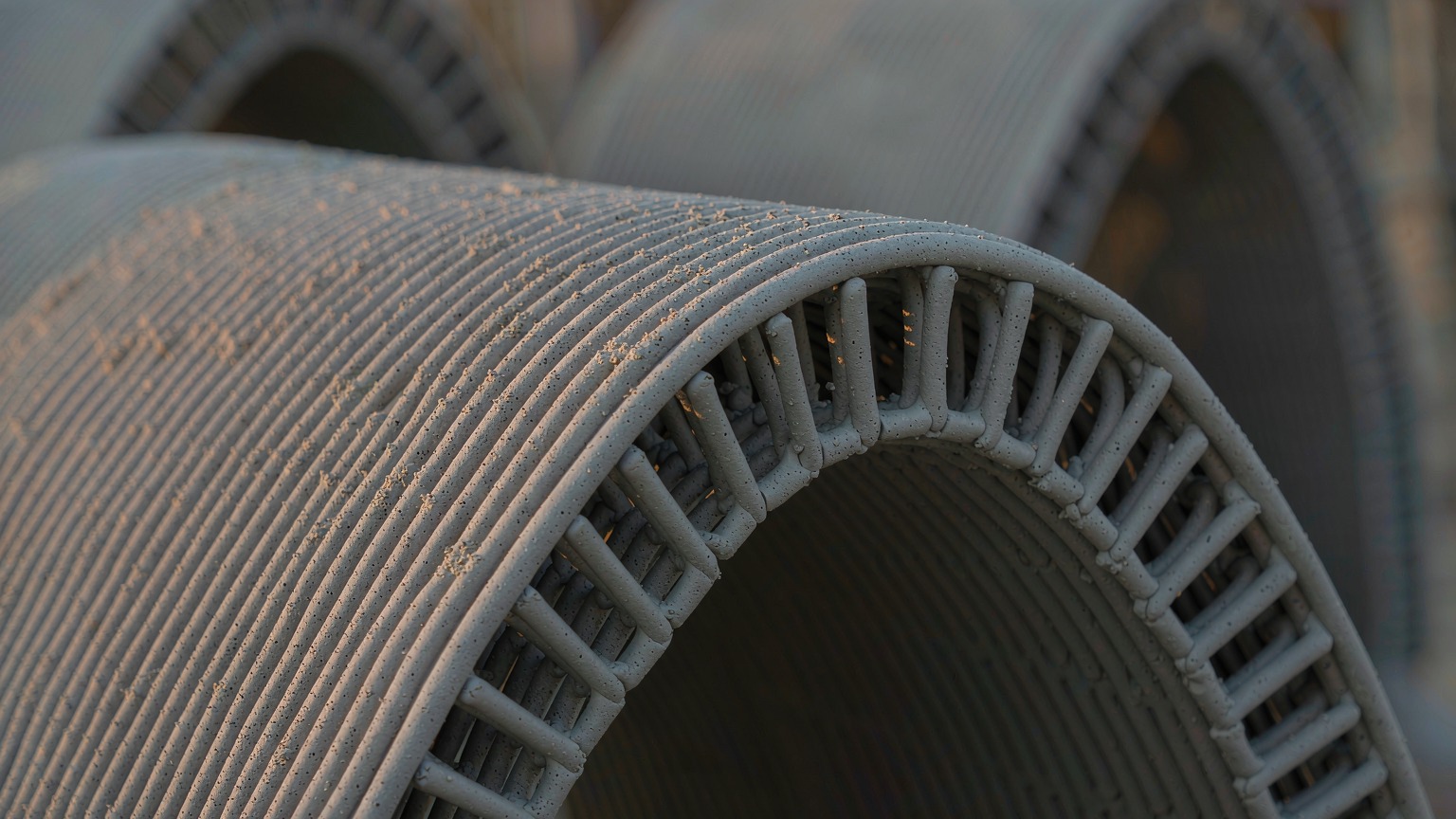
Large‑span limitations of 3D‑printed structures arise from weak interlayer joints instead of printer capacity. Three viable strategies are compression‑optimized arches, factory‑printed segments with on‑site prestressing, and external materials bearing tension.
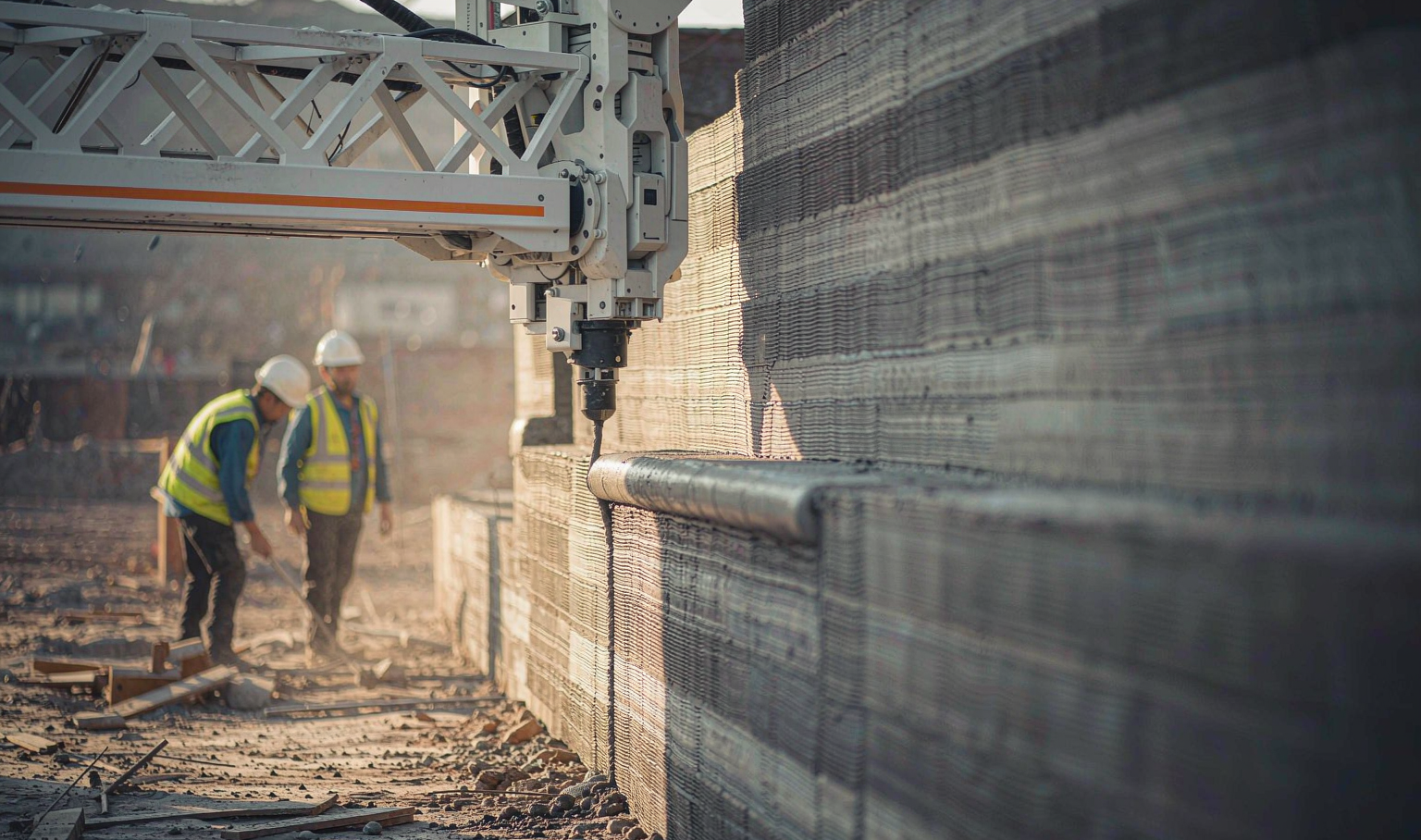
Robotic arms can extrude concrete to print building walls rapidly. However, the load‑bearing capacity and structural‑safety assessment of such walls remain core concerns. Traditional cast‑in‑place concrete follows mature workflows including
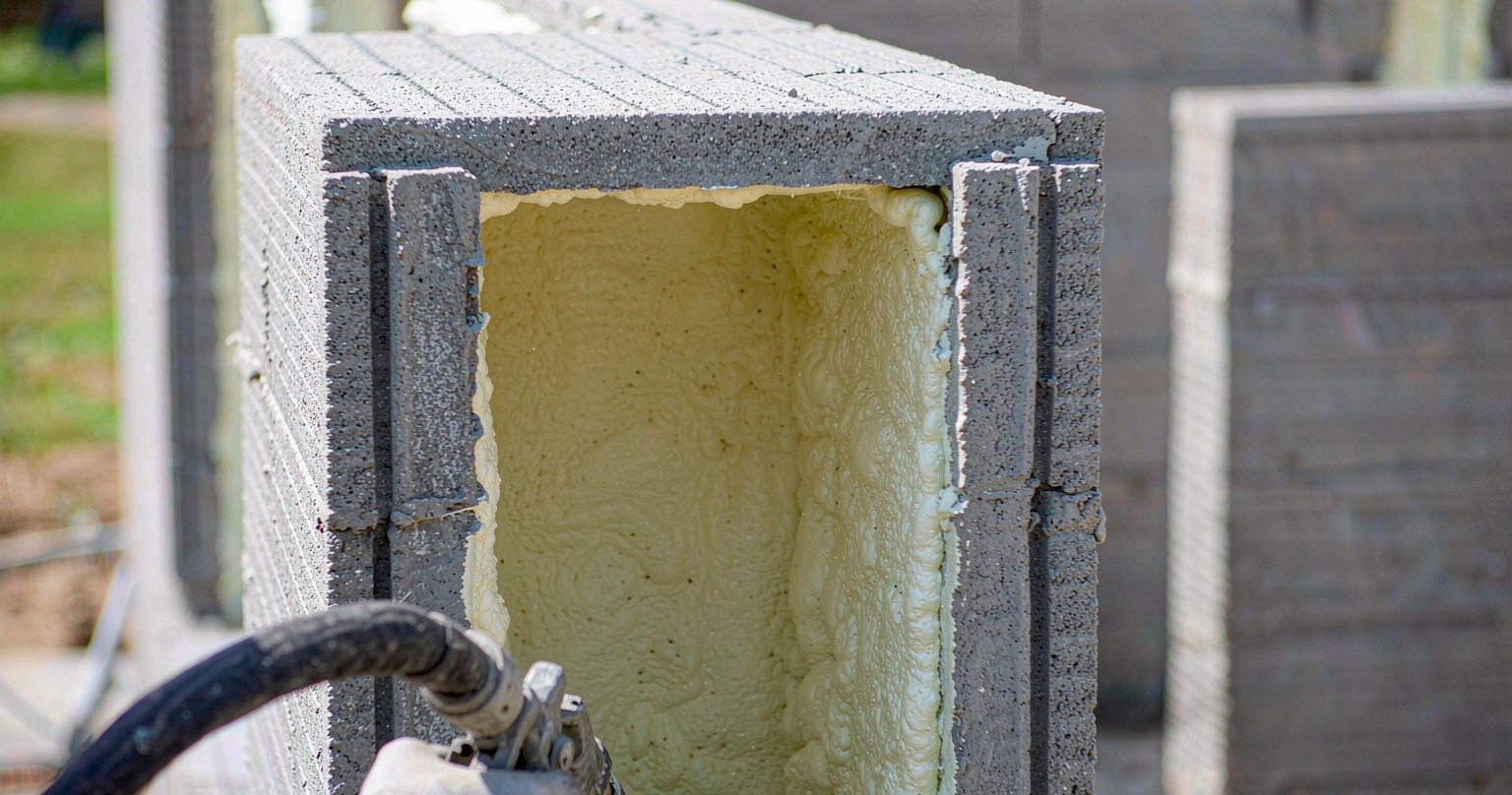
Multi-material hybrid printing upgrades 3D-printed buildings by overcoming the weaknesses of conventional concrete printing in tension, insulation and interfacial performance. Restricted by technical, standard and cost barriers, it will be
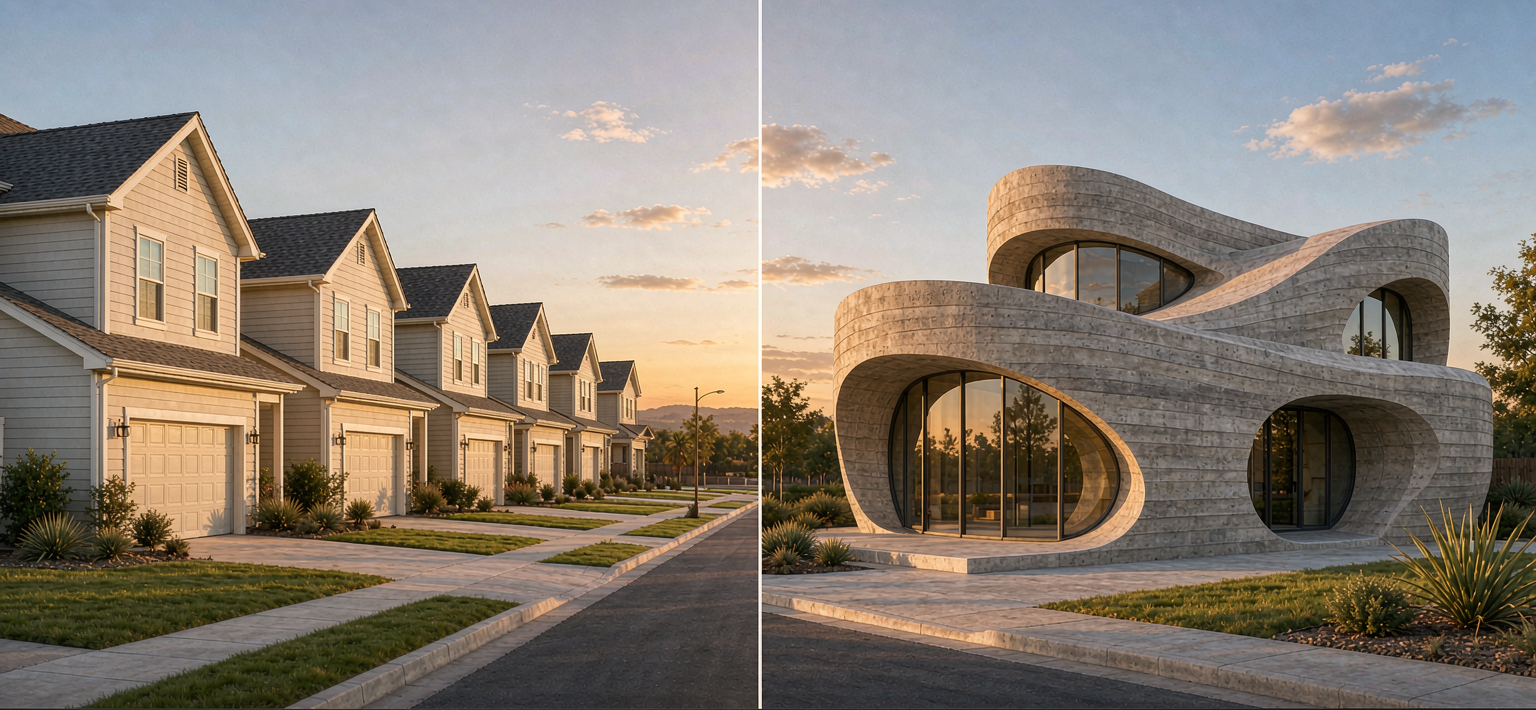
Mainstream surveys worldwide converge on the same finding — roughly two-thirds of respondents are open to living in a 3D-printed home — yet a wide gap remains between "open to