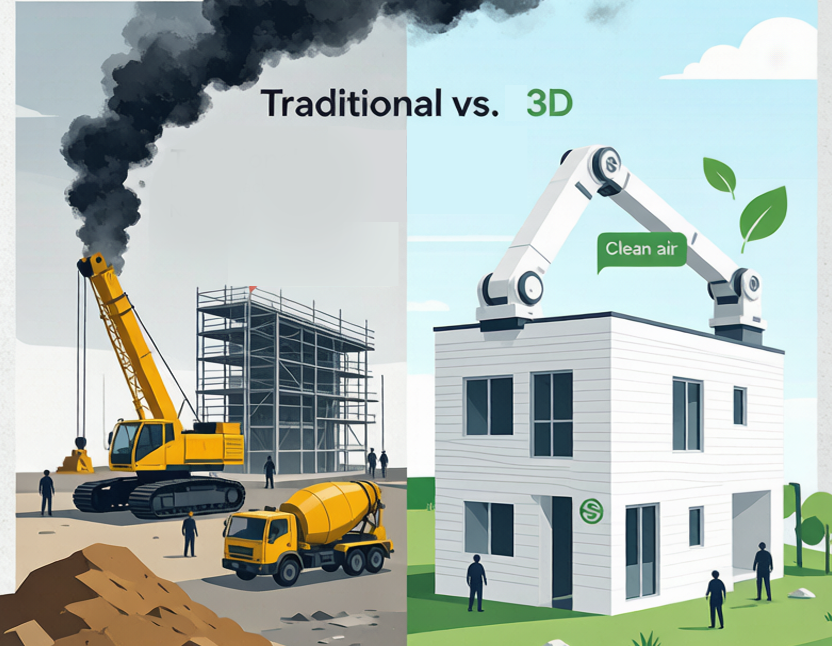
This paper focuses on whether 3D-printed ADUs can cut construction carbon emissions. Relevant data shows 3D printed buildings deliver a 25%–60% full-life-cycle carbon reduction compared with traditional construction. Supported by
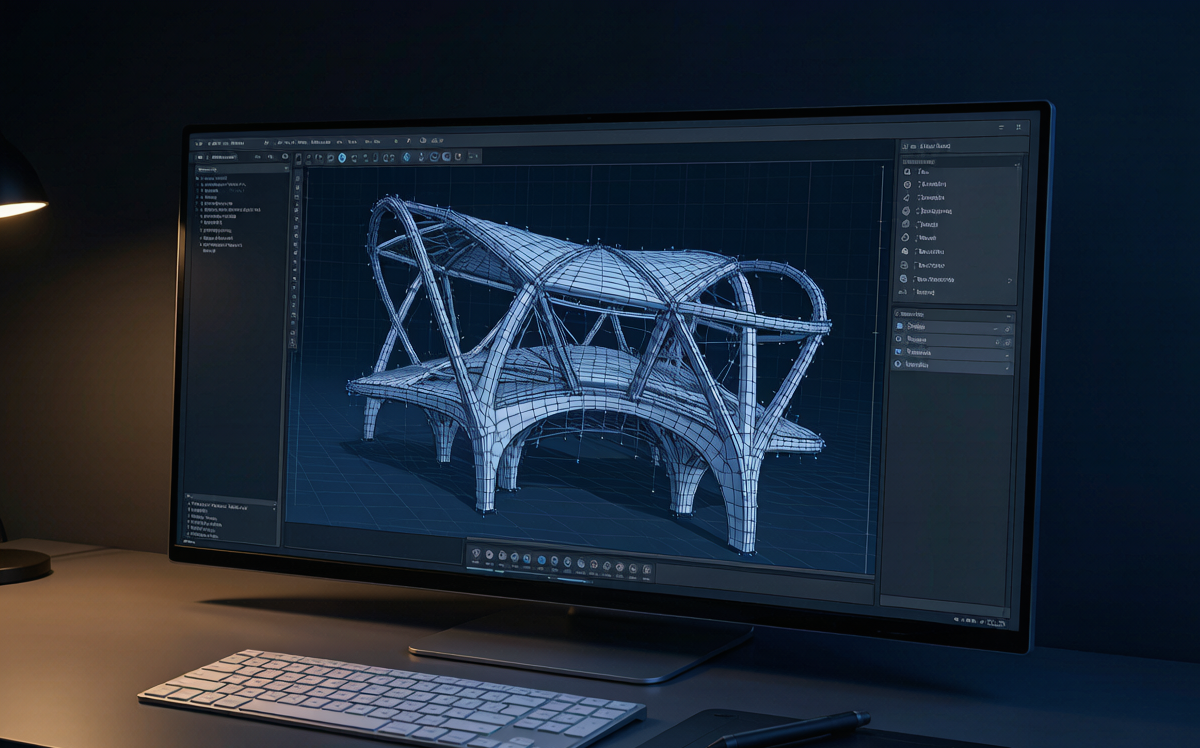
Traditional construction of parametric irregular buildings suffers from complicated processes, long cycles, high mold costs and poor precision. AiUltraProd applies mold-free robotic on-site 3D printing, finishing construction in three steps:
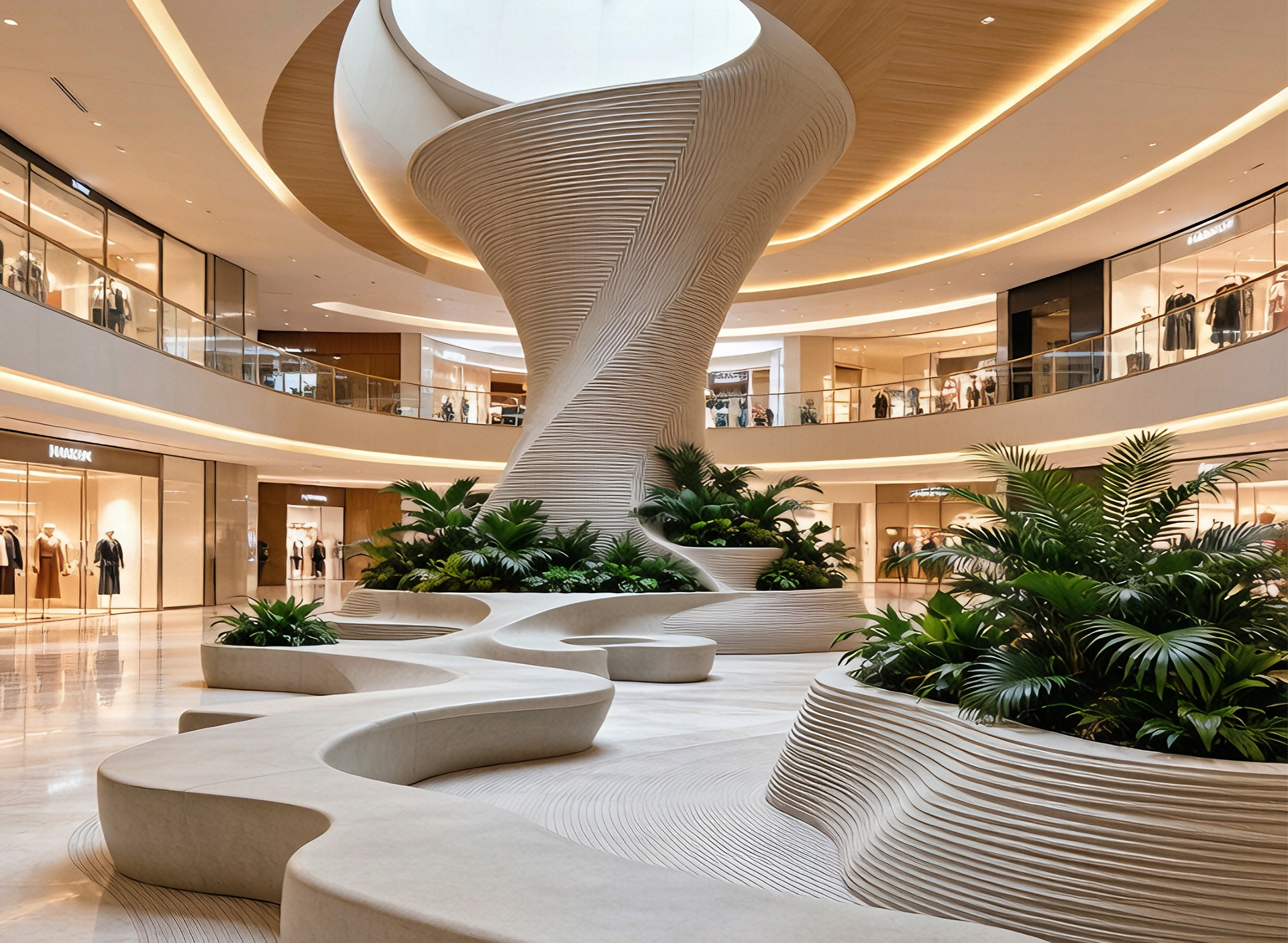
A spiral-shaped biodegradable pavilion debuted at Singapore Design Week; a luxury hotel rising out of Texas desert soil features curved walls nearly impossible to construct with traditional handcrafting; on Madison
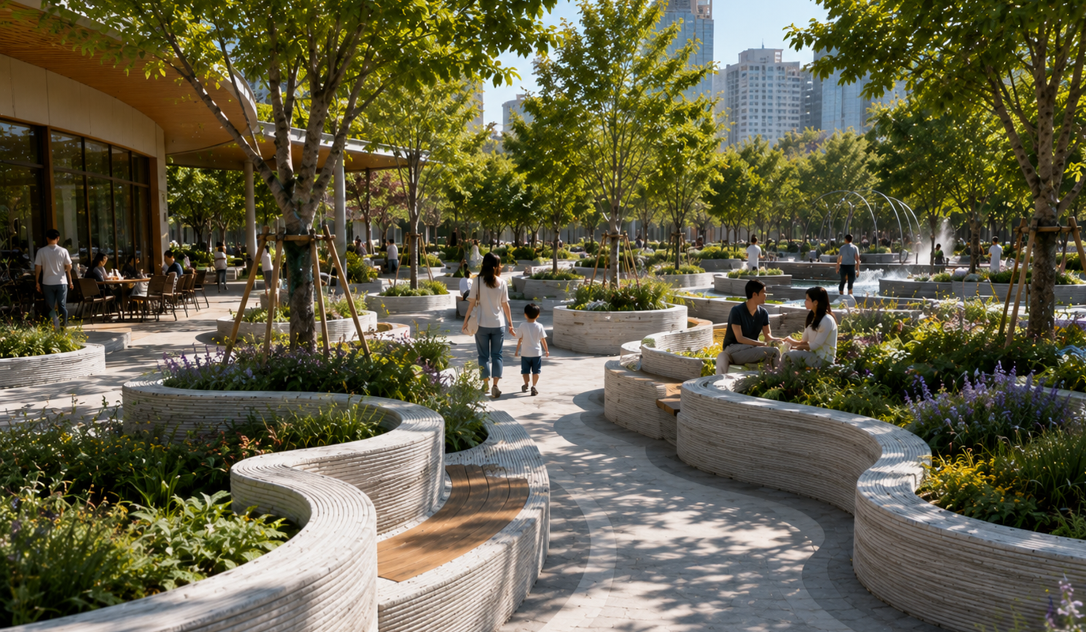
This article focuses on how 3D printed landscape technology innovates urban public spaces. It compares the drawbacks of traditional landscape construction, elaborates four major applications including 3D printed street furniture,